Whether it's a quick, 15-minute soak or an overnight event, a good marinade enhances the flavor of meat, poultry, seafood and vegetables.
Using a marinade is an easy way to boost the flavor of lean proteins, infuse flavor into vegetables or ensure tough cuts of meat will turn out tender and juicy. Even 15 minutes of soaking time is enough to enhance the flavor of many ingredients. The best part? It’s super easy to whip together a marinade, and you don’t need any special equipment.
On This Page
What Is a Marinade?
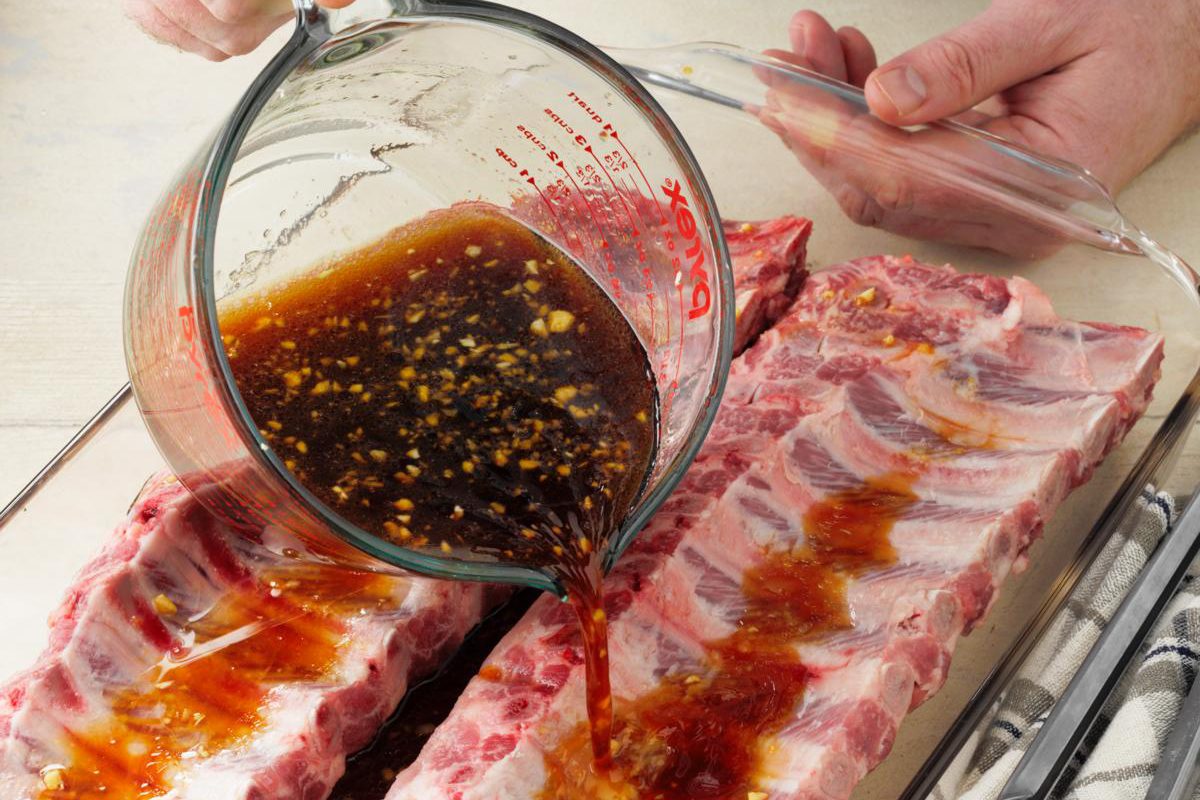
A marinade is a flavorful liquid that’s used for soaking meat, poultry, seafood and vegetables. It tenderizes the surface of the meat while also infusing it with extra flavor. What a marinade won’t do is season the inside of a large cut of meat; unlike brine, it can’t penetrate much further than a few millimeters below the meat’s surface. But it can break down tough proteins on the meat’s surface, and the oil used in marinades helps the flavorings stick to the meat’s exterior.
haoliang/Getty Images
Is Marinating Necessary?
It might not be necessary, but it is a good idea when working with tougher cuts of meat. Beef steaks like flank and skirt turn out juicier and more tender when marinated overnight. We also like marinating lean proteins like chicken breasts and shrimp, which can turn out dry and bland when cooked without seasoning. The marinade gives them extra fat from the oil, and the seasonings coat the exterior to boost their flavor. Tender vegetables like zucchini or eggplant are also great targets for a marinade. When cut into small pieces, they’ll soak up the flavors of the marinade really effectively, making them really shine on the grill.
Basic Marinade Ingredients
All marinades share a few key parts: oil, salt and acid. Oil lets the marinade ingredients stick to the food’s surface while salt helps the meat retain moisture. The acidic component—like vinegar or citrus juice—tenderizes the meat’s surface by breaking down tough muscle fibers. It’s helpful to use sugar, honey or maple syrup as well, because they help promote browning as ingredients cook.
You’ll also find several flavoring ingredients in marinades, like spices and herbs, vegetables like onions, garlic and ginger, or condiments like Worcestershire, soy sauce, ketchup and mustard. These components might not be able to penetrate into the inside of the meat, but they’ll stick to the surface after the meat or vegetables are removed from the marinade.
Taste of Home
Easy Marinade Recipes
We have a ton of easy marinade recipes, but here are a few of our favorites. They’re all-purpose marinades, so you can use them for meat, poultry, seafood and vegetables. To make these marinades, mix the sauce in a shallow dish, toss in the ingredient you want to marinate and rest it in the fridge. Also check out how to make the best steak marinade.
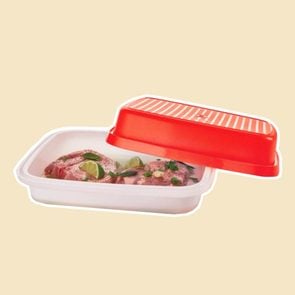
The only thing you really need is a suitable container. Yes, plastic bags will work, but reusable containersare certainly more eco-friendly. Look for ones with locking lids that allow you to flip the container or shake the contents to evenly disperse the marinade. Be sure to use nonreactive materials like glass, plastic or stainless steel, as the acidic components in the marinade can create metallic flavors when using aluminum or copper.
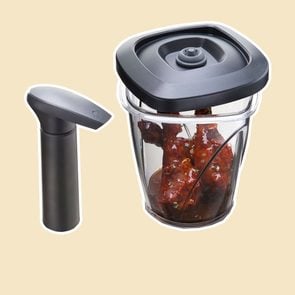
For quick marinating jobs, look to a vacuum sealer. Vacuum sealing lowers the pressure inside the bag, allowing the meat to absorb the marinade more quickly. If a vacuum sealing machine isn’t in the budget, you can also use a hand-pump marinating container.
How Long to Marinate Vegetables and Meat
Taste of Home
It’s easy to overmarinate meats and vegetables because they usually don’t need as much time as you’d think. Also, keep in mind that cut meats and vegetables don’t need to marinate as long as whole steaks or roasts.
Beef:
8 to 24 hours
Chicken:
4 to 6 hours
Firm tofu:
30 minutes
Fish:
30 minutes
Kabob cuts (1-1/2 to 2-inch cubes):
2 hours
Pork:
6 to 12 hours
Shrimp and scallops:
15 minutes
Hard vegetables:
30 minutes to an hour
Tender vegetables:
15 to 30 minutes
Can You Make a Marinade in Advance?
Making marinades in advance is a great way to meal prep. Most marinades can be made several days in advance and stored in airtight containers or mason jars in the refrigerator. If you really want to plan ahead, make several batches of marinade at once and portion them into gallon-sized bags. Freeze the marinade for up to six months, thawing the bag in the refrigerator before using.
Can You Marinate Something for Too Long?
Yes, you can definitely marinate meats for too long, and unfortunately, there’s no coming back when you do. Marinades contain acidic ingredients that break down meat proteins. When the meat is exposed to the marinade for extended periods of time, it can become mushy and textually unpleasant. For best results, set a timer and stick to the marinade times in the chart above. Learn more surprising facts about marinating.
We are no longer supporting IE (Internet Explorer) as we strive to provide site experiences for browsers that support new web standards and security practices.